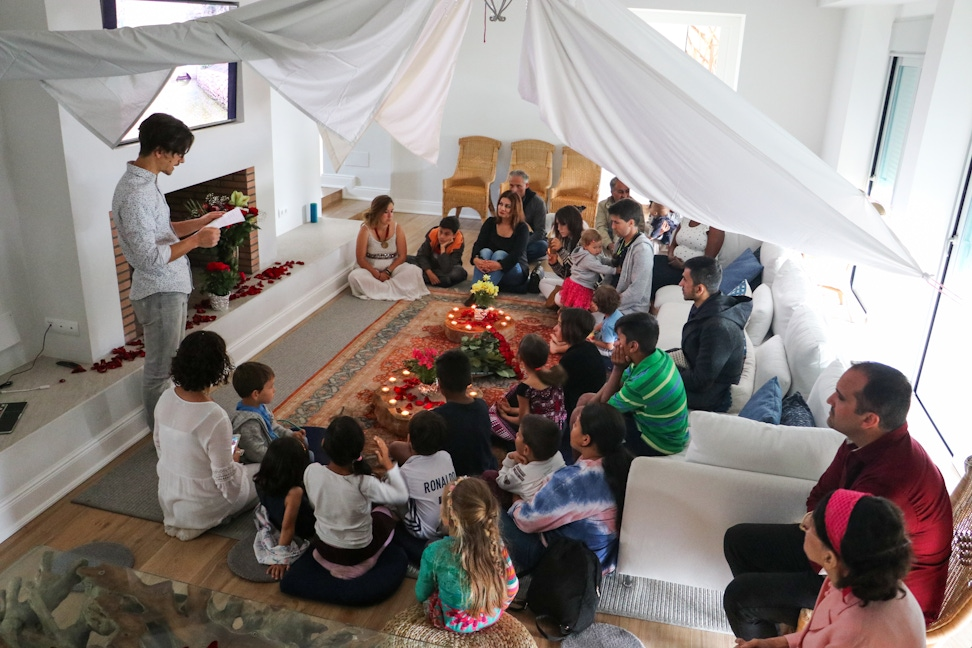
Devotional gatherings
Open spaces for collective prayer where readings are drawn from the sacred writings of various religious traditions. An invitation to shared reflection and quiet of heart.
 Bahá’ís of Alicante
 Language
Bahá’í Community of Alicante
Alongside the Bahá’ís of Spain, we work in Alicante toward a vision of a prosperous, peaceful and unified world — open to people of every background and origin.
“Let your vision be world embracing.” — Bahá’u’lláh
About us
The Bahá’í Community of Alicante is part of the wider Bahá’í community of Spain, whose members come from diverse cultural and ethnic backgrounds — both Spanish and international. The Bahá’í Faith is distinguished by its artistic and linguistic richness, and its culture is transformed as its members apply the teachings of Bahá’u’lláh.
Today there are around 5,000 Bahá’ís in Spain, striving together with friends and neighbours to apply Bahá’u’lláh’s teachings to their individual and collective lives. Here in Alicante we contribute to that same effort.
The life of a Bahá’í encompasses personal practices — daily study of the sacred writings, prayer, the annual fast — participation in the life of the community, and the effort to apply Bahá’u’lláh’s principles in family life and at work. These activities are situated within wider endeavours to advance civilization. From a posture of humility and constant learning, each Bahá’í seeks to discharge these responsibilities with coherence and excellence.
“Regard man as a mine rich in gems of inestimable value. Education can, alone, cause it to reveal its treasures…”
A significant part of the Bahá’í community’s work in Alicante takes place in the Virgen del Remedio neighbourhood, in the north of the city, where more than 37 % of residents are foreign-born — primarily from Algeria, Morocco and Senegal. Alongside neighbours, the community runs women’s formation groups, empowerment programmes for junior youth, free Spanish-language classes, and neighbourhood-improvement projects in collaboration with the local school I.E.S. Virgen del Remedio and other community organisations.
On one of the neighbourhood’s walls is painted a phrase of Bahá’u’lláh: “The earth is but one country, and mankind its citizens.”
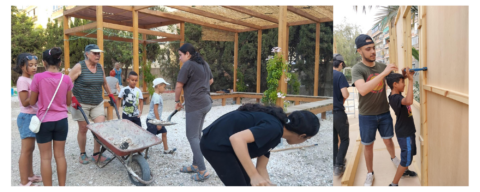
Learning how to translate Bahá’u’lláh’s vision of a prosperous, peaceful and unified world into reality is the central commitment of Bahá’í community life. The process is complex; it requires the participation of all the world’s peoples, and a degree of practical knowledge that has yet to be generated. Science, religion and experience are the sources of guidance along this path, walked together with friends and like-minded groups.
Text and images adapted from bahai.es, bahai.org, and bahai.es — Social action of religious minorities (2024).
The Bahá’í Faith
“Throughout history, God has sent to humanity a series of divine Educators — known as Manifestations of God — whose teachings have provided the basis for the advancement of civilization.”
“These Manifestations have included Abraham, Krishna, Zoroaster, Moses, Buddha, Jesus, and Muḥammad. Bahá’u’lláh, the latest of these Messengers, explained that the religions of the world come from the same Source and are in essence successive chapters of one religion from God.”
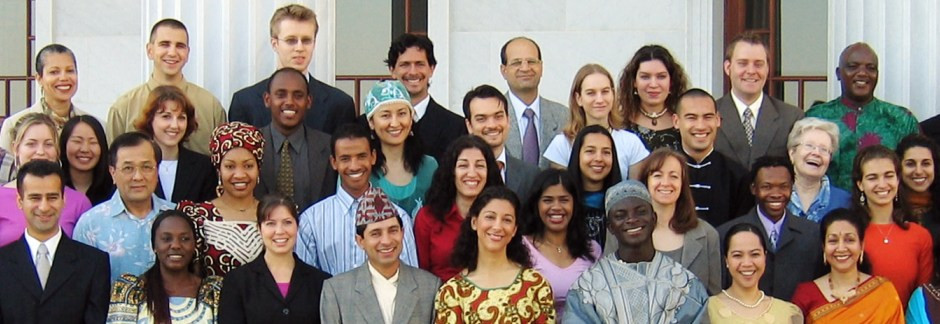
Today the Bahá’í Faith is established in more than 100,000 localities in virtually every country and territory of the world.
In the middle of the nineteenth century — one of the most turbulent periods in the world’s history — a young merchant in Persia announced that He was the bearer of a message destined to transform the spiritual and social life of humanity. He took the name “the Báb,” meaning “the Gate” in Arabic.
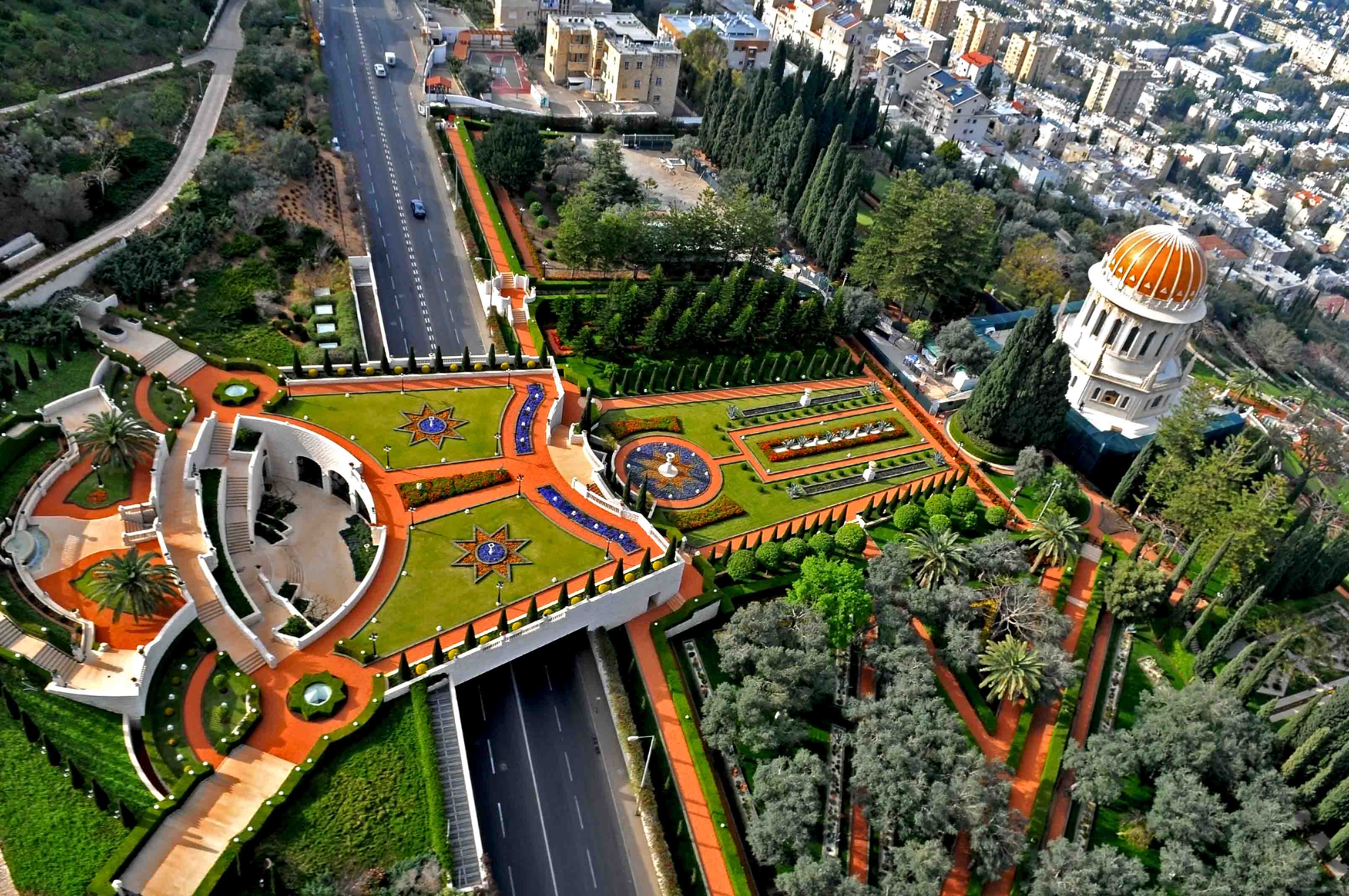
With His call for spiritual and moral reformation, and His attention to improving the position of women and the lot of the poor, the Báb’s prescription for renewal was revolutionary. His mission, lasting only six years, was to prepare the way for the coming of a Manifestation of God who would usher in the age of peace and justice promised in all the world’s religions: Bahá’u’lláh. In 1850, the Báb was publicly executed in Tabriz.
“His life is one of the most magnificent examples of courage which it has been the privilege of mankind to behold.”
Born in Tehran, Iran on 12 November 1817, Mirza Husayn-‘Alí — later known as Bahá’u’lláh, “the Glory of God” — enjoyed all the advantages conferred by noble birth. As a young man, rather than pursuing a government career, He chose to devote His energies to the care of the poor.
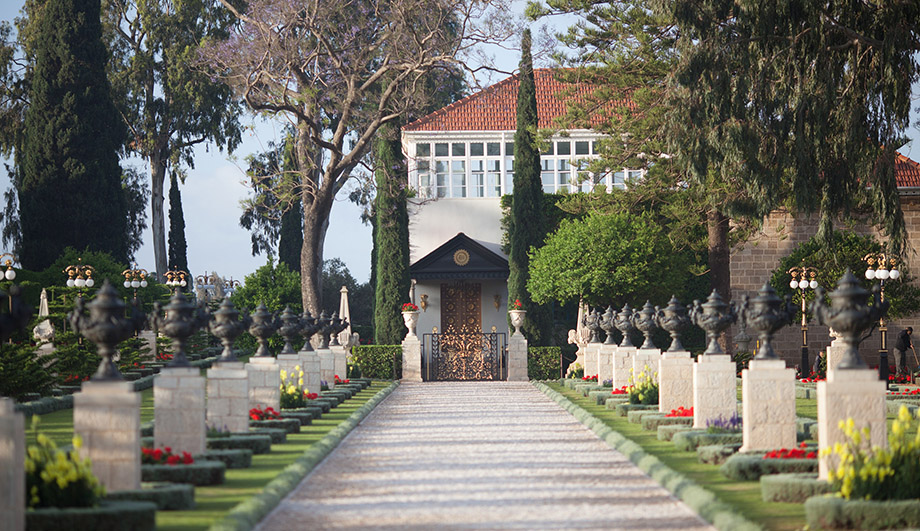
Following the execution of the Báb and the systematic persecution of His followers, Bahá’u’lláh was falsely charged in 1852 and cast into a subterranean dungeon in Tehran known as the Black Pit. It was there, in conditions of extreme suffering, that He received the first intimations of His Revelation.
“During the days I lay in the prison of Tihran, though the galling weight of the chains and the stench-filled air allowed Me but little sleep, still in those infrequent moments of slumber I felt as if something flowed from the crown of My head over My breast, even as a mighty torrent that precipitateth itself upon the earth from the summit of a lofty mountain…”
Released and exiled from His native Iran, Bahá’u’lláh was sent first to Baghdad, where He composed three of His most renowned works — the Hidden Words, the Seven Valleys, and the Book of Certitude (Kitáb-i-Íqán). In April 1863, in a garden on the banks of the Tigris which He named Ridván (“Paradise”), He declared to His companions that He was the One foretold by the Báb, the Messenger of God promised in all the world’s scriptures.
Successive banishments followed — to Constantinople, to Adrianople, and finally, in August 1868, to the Ottoman prison-city of ‘Akká in the Holy Land. There, despite confinement, He revealed His most important work, the Kitáb-i-Aqdas (the Most Holy Book), and addressed letters to the kings and rulers of His age, summoning them to justice and to a collective peace. Bahá’u’lláh endured forty years of imprisonment, torture and exile. He passed away on 29 May 1892.
“I have never aspired after worldly leadership. My sole purpose hath been to hand down unto men that which I was bidden to deliver by God…”
“Bahá’u’lláh’s teachings… now present us with the highest and purest form of religious teaching…” — Count Leo Tolstoy
In the early years of the twentieth century, ‘Abdu’l-Bahá — the eldest Son of Bahá’u’lláh — was the Bahá’í Faith’s leading exponent, renowned as a champion of social justice and an ambassador for international peace. In His Writings, Bahá’u’lláh designated ‘Abdu’l-Bahá as His successor and Head of the Faith — the first time in history that the Founder of a world religion had named His successor in a written, irrefutable text.
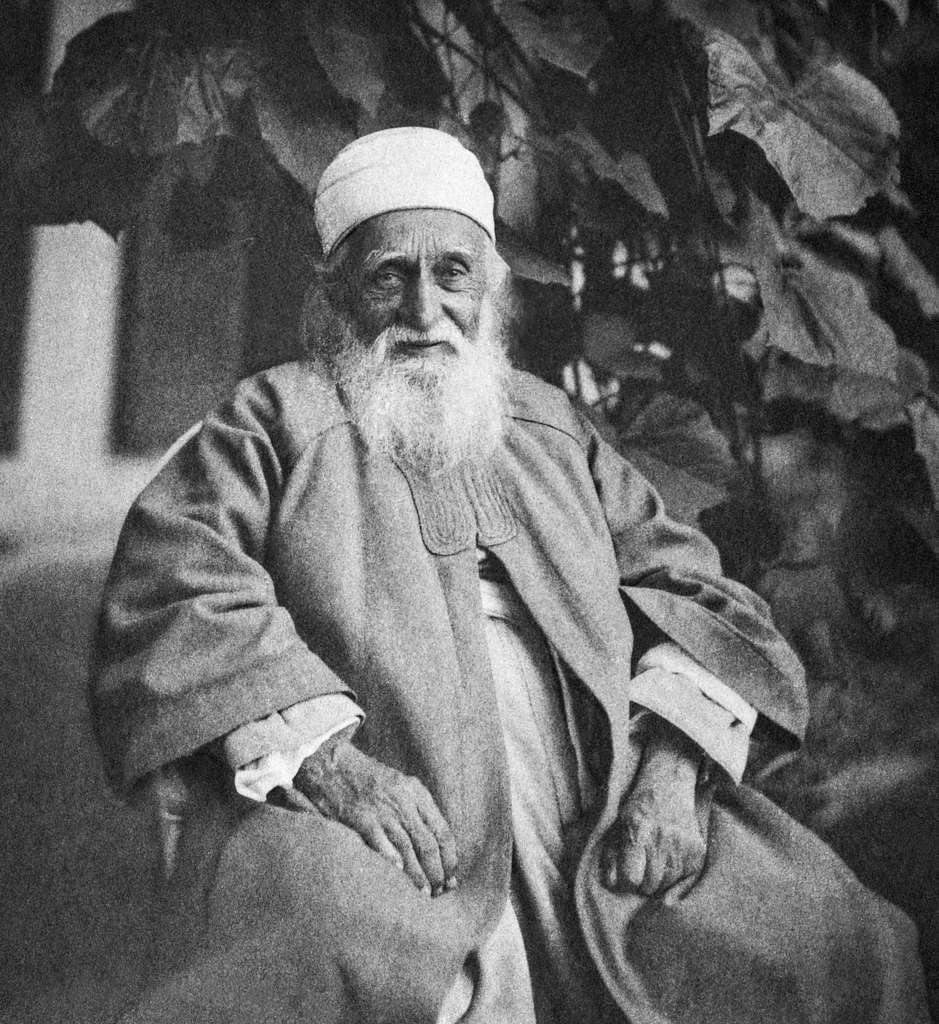
After His release from a lifetime of imprisonment, ‘Abdu’l-Bahá set out on a series of journeys which took Him to Egypt, Europe and North America, presenting with brilliant simplicity Bahá’u’lláh’s prescription for the spiritual and social renewal of humanity.
Quotations and biography adapted from bahai.org — The Life of Bahá’u’lláh, The Báb, and ‘Abdu’l-Bahá.
Beliefs
Bahá’u’lláh taught that there is one God, and that the successive revelations of His will to humanity have been the chief civilizing force in history. The agents of this process have been the divine Messengers — viewed by people as the founders of distinct religious systems but whose common purpose has been to bring the human race to spiritual and moral maturity.
“He Who is your Lord, the All-Merciful, cherisheth in His heart the desire of beholding the entire human race as one soul and one body.”
Today, humanity is coming of age. This is what makes possible the unification of the human family and the building of a peaceful global society. Among the principles the Bahá’í Faith promotes as vital to reaching this goal are:
The official site bahai.org organizes Bahá’í beliefs into five areas, each with its own depth and nuance:
The origins of the Bahá’í Faith and the source of its distinctive unity.
The eternal soul, the purpose of life, and the development of spiritual qualities.
God, revelation, humanity, the natural world, and the advancement of civilization.
The development of relationships among individuals, communities, and institutions that reflect the principle of the oneness of humanity.
The principles required for the attainment of peace and the building of a new global civilization.
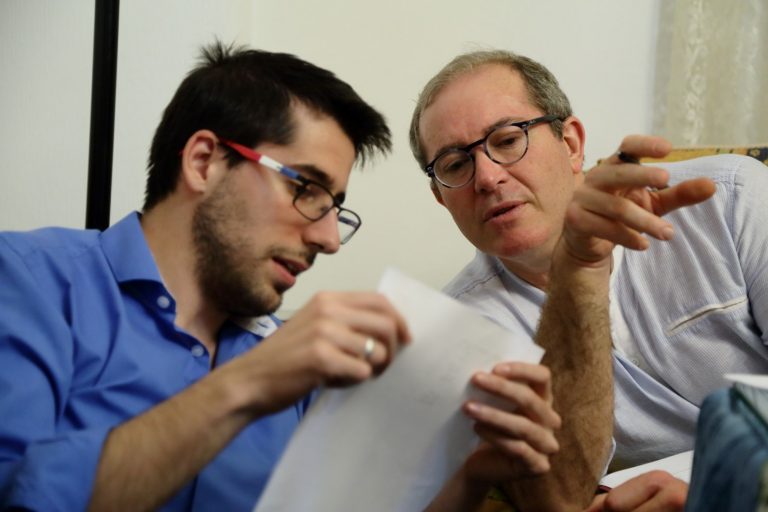
“Regard man as a mine rich in gems of inestimable value.” The purpose of life, in Bahá’u’lláh’s teachings, is to cultivate capacities for one’s own benefit and for service to humanity. Present existence is likened to fetal development: the moral, intellectual and spiritual faculties forged here, with divine assistance, constitute the “limbs” and “organs” required for the soul’s progress in subsequent realms.
Structure and quotations adapted from bahai.es — Teachings of Bahá’u’lláh and bahai.org — What Bahá’ís Believe.
Bahá’ís of Alicante
The history of the Bahá’í Faith in Spain began in 1946, when Virginia Orbison, an enthusiastic American Bahá’í, moved to the country to share the message of Bahá’u’lláh during a difficult period for the nation.

Administrative structure began to emerge shortly afterwards. The first Local Spiritual Assembly was elected in Madrid in 1948. Growth was rapid:
In 1968 the Bahá’í Community of Spain was registered with the Ministry of Justice as a recognized religious entity. Today there are around forty Local Spiritual Assemblies across Spain.
The Bahá’í Community of Alicante has been active in the province for decades. Its members gather for prayer, study and the spiritual education of people of all ages. Alongside friends and neighbours — of every background and tradition — we contribute to a pattern of community life inspired by Bahá’u’lláh’s vision of a prosperous, just and unified world.
The community has collaborated regularly with other organizations to promote interfaith dialogue in the province — a contribution explicitly noted by the Bahá’í Community of Spain among the places where Bahá’ís have been particularly active in this work.
At the national level, the Bahá’í community participates in public life through interfaith dialogue, social action, education, and the Office of Public Affairs of the National Spiritual Assembly, whose work addresses governance, human rights, migration and intercultural coexistence, and the role of religion in society. Bahá’ís in Alicante take part in this wider effort.
Bahá’í Holy Days — in particular Naw-Rúz (the Bahá’í new year) and the Birth of Bahá’u’lláh — have for decades been occasions open to friends, neighbours and local authorities.
Historical details verified at bahai.es — Historia, Evolución de la estructura administrativa, and Presencia en la sociedad española.
Activities
Throughout the year, the Bahá’í Community of Alicante sustains core activities open to everyone. All are free of charge and do not require membership in the Bahá’í Faith.
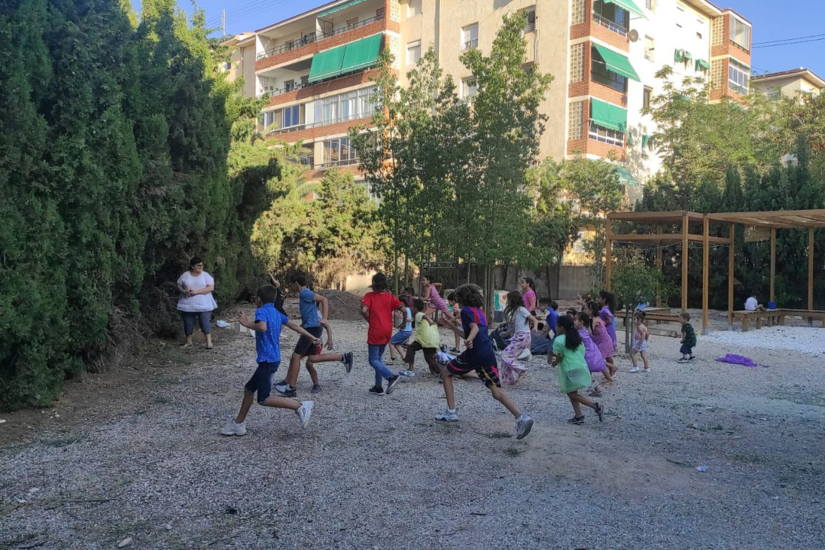
An annual gathering of the Bahá’í community of Spain, open to people of all ages.
Open spaces for collective prayer where readings are drawn from the sacred writings of various religious traditions. An invitation to shared reflection and quiet of heart.
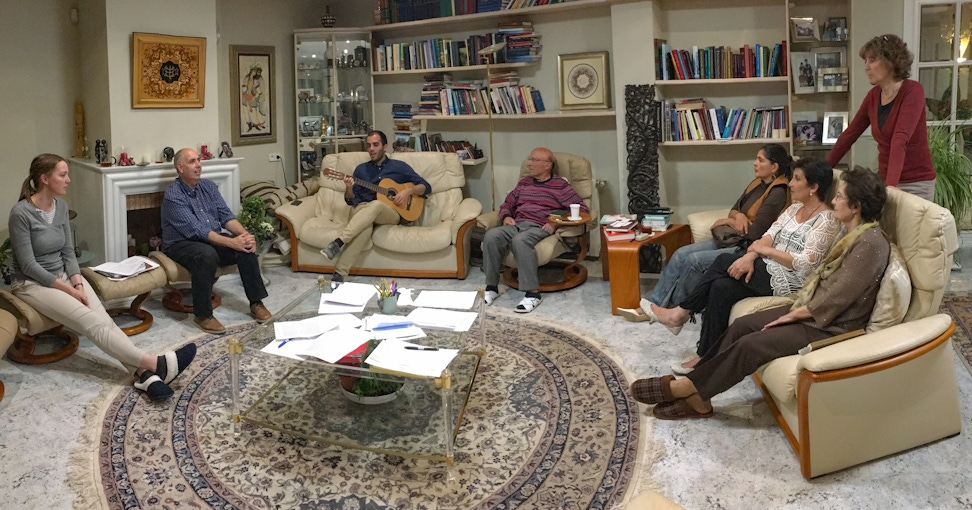
Small groups that reflect together on the Bahá’í Writings and develop capacities for service to the community. Open to anyone wishing to walk this path of learning.
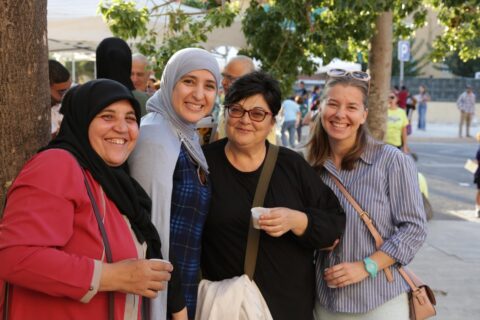
Write to ael.alicante@bahai.es to learn about upcoming gatherings in Alicante.
Contact
We would be glad to answer questions about the Bahá’í Faith or about community life in Alicante.
For enquiries to the Bahá’í Community of Spain, write to informacion@bahai.es or use the form at bahai.es/contacto.
For general information about the Bahá’í Faith, visit bahai.org, the official website of the worldwide Bahá’í community.